
Prime Rib au Jus

A classic, glossy au jus made from prime rib drippings — simple technique, deep beefy flavor, perfect for dipping and spooning over slices of roast.
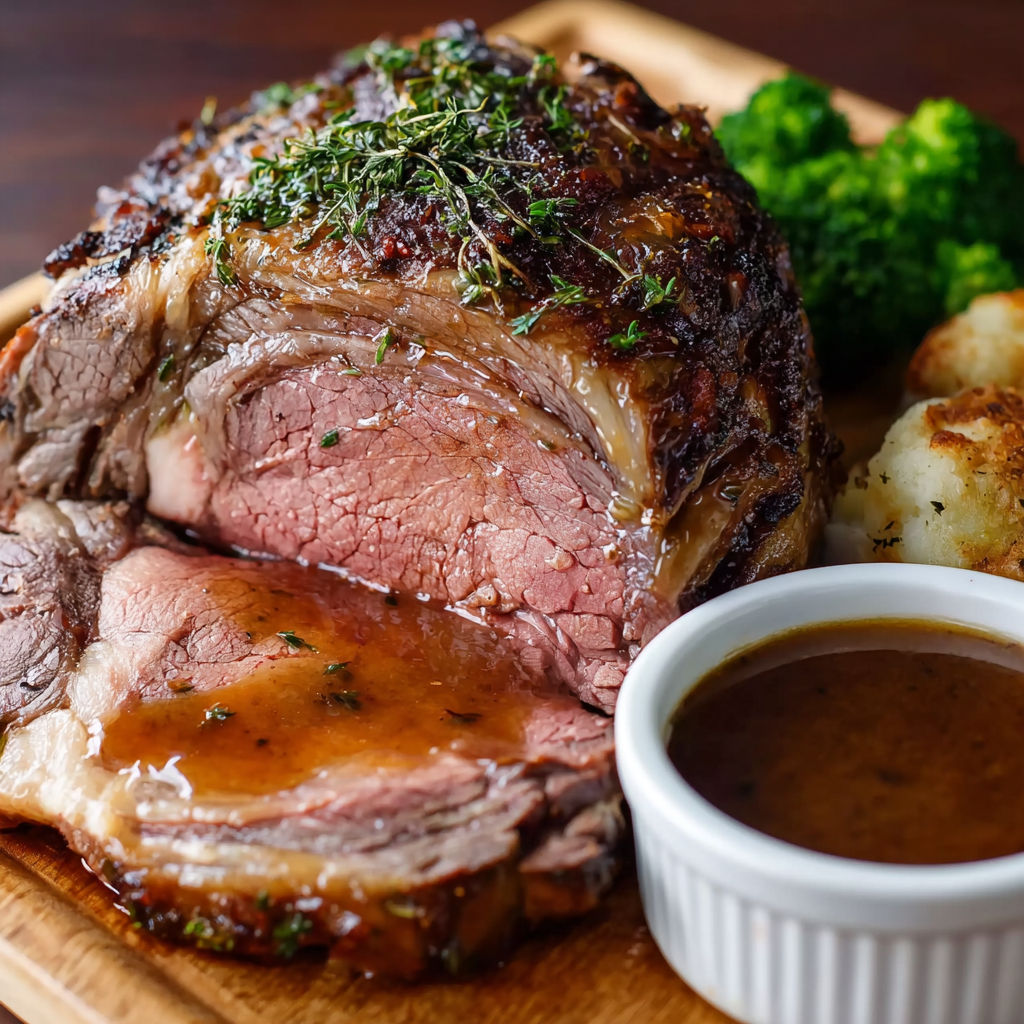
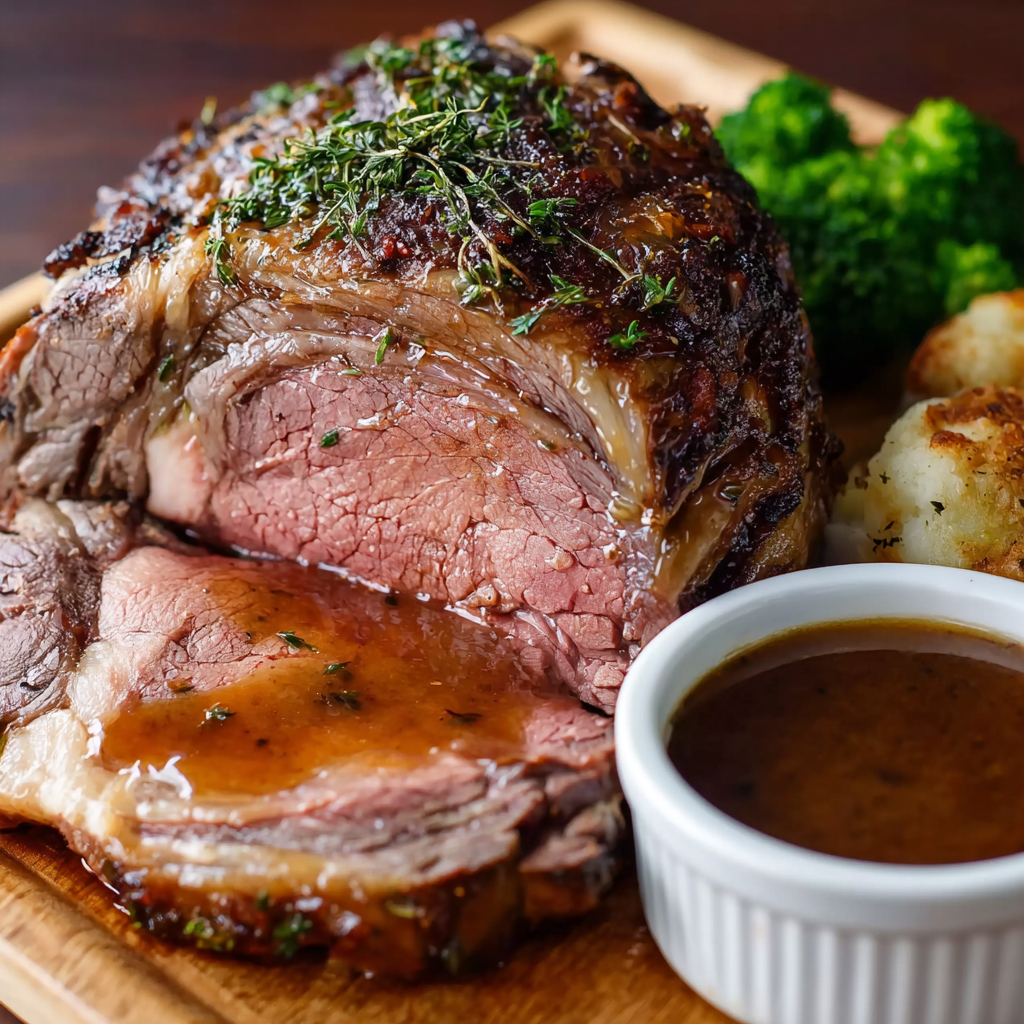
This Prime Rib au Jus is the finishing touch that turns a beautiful roast into a truly memorable meal. I first mastered this method years ago when I burned dinner plans and had to rescue a last minute prime rib for a family gathering. The pan drippings, a splash of beef broth and a little seasoning came together to create a sauce so vivid and savory that it stole the show. The au jus is light, broth-like and concentrates the roast's beefy essence without masking the prime rib's texture or seasoning. It enhances every slice with a moist sheen and a burst of umami that makes even simple mashed potatoes sing.
I love how forgiving and versatile this process is. You do not need fancy equipment; the difference comes from patience, proper skimming and a careful reduction. When I serve this at holiday dinners or small Sunday roasts, guests always reach first for the gravy boat. It invites conversation and second helpings. The texture is thin enough to sip with the meat yet bold enough to carry roasted aromatics, and because it relies on pan drippings, it feels like an integral part of the roast rather than an afterthought.
Why You'll Love This Recipe
- Uses the roast's own pan drippings for unmatched depth of flavor; no need for bouillon cubes or heavy thickening agents.
- Quick to prepare: active time is about 10 minutes, with a gentle simmer for 5 to 10 minutes to concentrate flavors.
- Pantry-friendly: beef broth, Worcestershire and optional red wine are common store staples for fast assembly.
- Make-ahead friendly: can be refrigerated up to 3 days or frozen for up to 3 months without losing its savory integrity.
- Customizable: add garlic, fresh thyme or a bay leaf for aromatics, or use tamari for a gluten-free twist.
- Perfect for crowds: a single roast generates enough jus to serve 8 to 10 people as an accompaniment.
Every time I make this, someone asks for the secret. It is always the same answer: respect the drippings, skim the fat, and finish with a careful reduction. My family remembers the year I added a generous splash of red wine and a few thyme sprigs at the last minute; it became our signature taste. That discovery taught me the value of small adjustments in liquid and seasoning to tailor the au jus to your roast.
Ingredients
- Pan drippings from roasted prime rib: The flavorful base. After roasting, pour the juices and browned bits from the roasting pan into a heatproof container. Keep about 2 to 4 tablespoons of rendered fat for flavor or skim it off if you prefer less fat.
- Beef broth or beef stock: Use 1 cup of a good quality, low-sodium broth to control salt. I like Better Than Bouillon beef base diluted to taste or a homemade stock for a rich backdrop.
- Dry red wine (optional): 1/4 cup adds acidity and depth. Choose a drinkable dry red such as Cabernet or Merlot; cooking wine should taste pleasant on its own.
- Worcestershire sauce or soy sauce: 1 tablespoon provide umami and complexity. Use Worcestershire for classic notes or tamari if you need a gluten-free option.
- Garlic (optional): 1 small clove, smashed or minced, adds aromatic warmth. Sear it briefly with the deglazing liquid and remove if you prefer a clean broth.
- Fresh herbs (optional): 1 to 2 sprigs thyme or 1 bay leaf for subtle herbal support. Remove before serving to keep the au jus glossy.
- Salt and black pepper: Season to taste at the end with kosher salt and freshly ground black pepper; start small and adjust after straining.
Instructions
Collect the Drippings: When the prime rib comes out of the oven, transfer the roast to a cutting board and pour the pan drippings into a heat-safe measuring cup or bowl. Allow the juices to rest for a few minutes so the fat rises to the top. Use a spoon to remove excess fat, leaving 2 to 4 tablespoons of fat and all the browned fond behind; that fond is where the flavor concentrates. Deglaze the Pan: Place the roasting pan over medium heat on two burners or set it on the stovetop. Add a 1/4 cup of dry red wine or 1/4 cup beef broth and bring to a simmer. Scrape the browned bits from the bottom of the pan with a wooden spoon or spatula; that fond will dissolve into the liquid and build complexity. Add Broth and Seasonings: Pour the collected drippings into the pan. Add 1 cup beef broth, 1 tablespoon Worcestershire sauce, the optional smashed garlic clove and thyme sprigs. Stir to combine. If using soy or tamari, start with 1 teaspoon and build to taste to avoid over-salting. Simmer and Reduce: Bring the mixture to a gentle simmer and reduce heat to low. Let it simmer uncovered for 5 to 10 minutes until the flavor has concentrated but the liquid is still pourable. Watch for visual cues: it should thinly coat the back of a spoon and shimmer slightly. Strain and Adjust: Remove the garlic and herb sprigs, then strain the jus through a fine mesh strainer into a warmed serving bowl or gravy boat. Taste and season with salt and freshly ground black pepper. If the jus tastes flat, a small squeeze of lemon juice or a splash more Worcestershire brightens the profile. Serve Warm: Keep the au jus warm over low heat until serving. Spoon it over sliced prime rib or serve it alongside for dipping. Reheat gently if made ahead, avoiding a vigorous boil.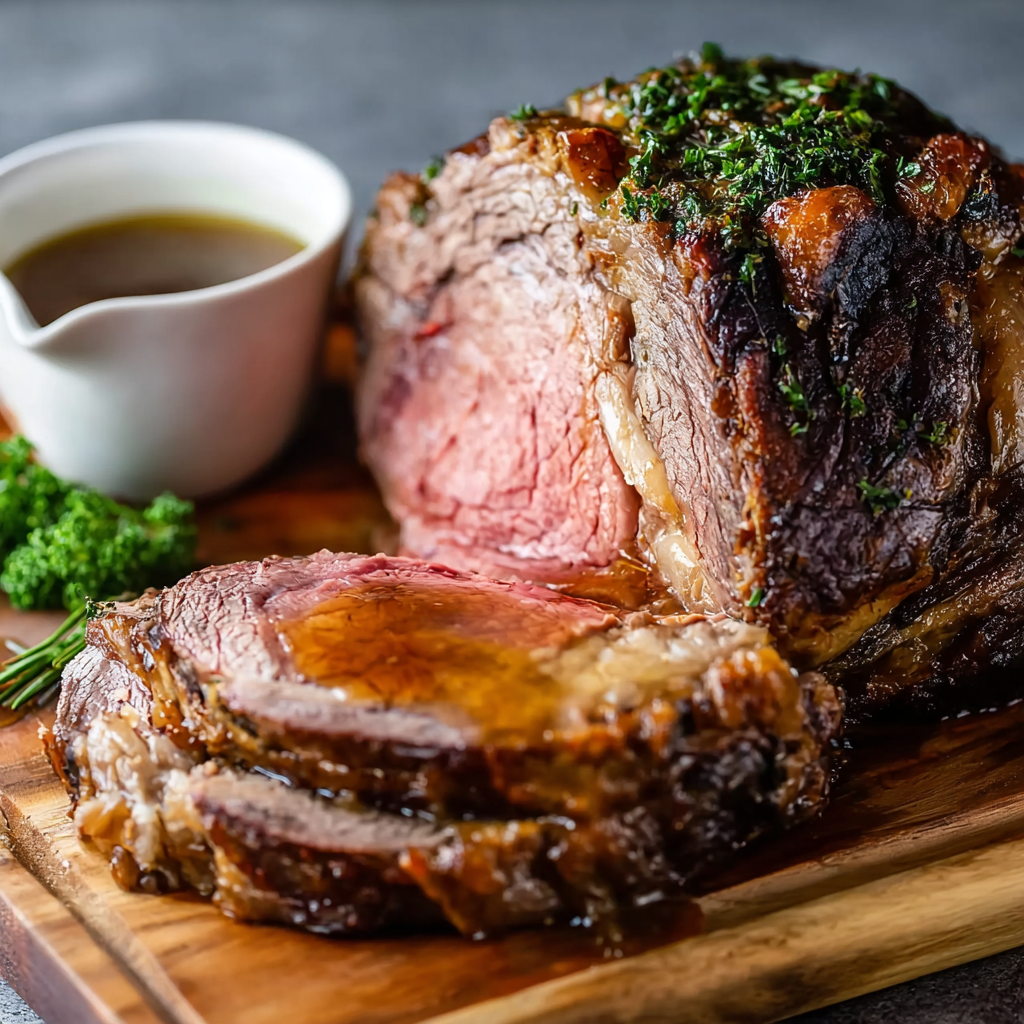
You Must Know
- Pan drippings are concentrated flavor; do not discard the fond. Deglazing captures browned bits for depth.
- Skim excess fat for a cleaner-tasting jus; leave a tablespoon or two of fat for mouthfeel and sheen.
- Refrigerate in an airtight container for up to 3 days or freeze in portioned bags for up to 3 months.
- A small reduction enhances flavor; avoid over-reducing which can make the sauce taste bitter.
My favorite thing about this au jus is its humility. It requires almost no technique but rewards attention to timing and seasoning. At holiday tables, it is the quiet hero that brings out the best in roast and sides alike. I still remember the first time my youngest nephew declared it the best part of dinner; he went back for thirds of meat just to dunk in the warm, fragrant jus.
Storage Tips
Cool the jus to room temperature for no more than two hours, then transfer to an airtight container. Refrigerate for up to 3 days. For longer storage, portion into freezer-safe bags or ice cube trays and freeze for up to 3 months; thaw overnight in the refrigerator and reheat gently. When reheating on the stovetop, bring to a low simmer and whisk briefly to recombine any separated fat. Look for a bright aroma and sheen; if the jus smells sour or has visible mold, discard.
Ingredient Substitutions
If you do not have red wine, use an extra 1/4 cup beef broth plus 1 teaspoon red wine vinegar to mimic acidity. Swap Worcestershire with tamari for a gluten-free option, or use 1 teaspoon soy sauce for a saltier profile. To keep the jus dairy-free, avoid adding butter; for a richer finish, whisk in 1 tablespoon cold butter off heat. For vegetarian adaptations, use mushroom stock and roasted mushroom bits to simulate umami, knowing it will no longer reflect the roast's flavor.
Serving Suggestions
Serve warm in a gravy boat beside thinly sliced prime rib for dipping, or spoon sparingly over plated slices to keep presentation tidy. Pair with creamy mashed potatoes, roasted root vegetables, crusty bread, or a simple horseradish cream on the side. Garnish with a small thyme sprig or cracked pepper for visual contrast. For a formal dinner, serve the jus in a warmed boat and let guests add as much or as little as they prefer.
Cultural Background
The technique of making au jus comes from French roast-saucing methods where meats are served with their natural juices rather than a thickened gravy. It is a hallmark of classic roast service—light, clarified, and aromatic. In North American traditions, au jus is commonly associated with prime rib and French dip sandwiches. The practice of deglazing and reducing pan liquid is shared across many cuisines and highlights the value of fond as a backbone for sauces.
Seasonal Adaptations
In winter, add a splash of full-bodied red wine and a bay leaf to deepen warmth; in summer, keep it lighter with extra broth and a squeeze of lemon to brighten flavors. For holiday roasts, finish with a teaspoon of pomegranate molasses or a touch of balsamic for complexity. For lighter spring menus, use well-seasoned veal or chicken stock blended half-and-half with beef broth to make the jus more delicate.
Meal Prep Tips
Make the au jus while the roast rests to save time. Strain and chill in single-use portions for quick reheating during the week. Freeze small amounts in ice cube trays for quick flavor boosts in soups and stews. When portioning, label containers with date and roast type; this helps match flavors when you reheat for sandwiches or reheated slices of meat.
This au jus is an easy, high-impact addition to your roast repertoire. It rewards attention to detail more than culinary bravado. Keep it simple, taste as you go and let the roast speak through the sauce. Serve it warm, and listen for the satisfied silence that follows the first sip of jus-laced beef.
Pro Tips
Skim excess fat but keep 1 to 2 tablespoons for mouthfeel and sheen.
Deglaze the pan over medium heat and scrape the fond to dissolve concentrated flavor into the liquid.
If flavor tastes flat, add a small splash of acid such as lemon juice or red wine vinegar, then re-taste.
This nourishing prime rib au jus recipe is sure to be a staple in your kitchen. Enjoy every moist, high protein slice — it is perfect for breakfast or as a wholesome snack any time.
FAQs about Recipes
How long does au jus keep?
Yes. Refrigerate in an airtight container for up to 3 days; freeze for up to 3 months.
Can I make this gluten-free?
Use tamari or a gluten-free Worcestershire to keep it gluten-free. Start with small amounts to control salt.
Tags
Prime Rib au Jus
This Prime Rib au Jus recipe makes perfectly juicy, tender, and flavorful steak every time! Serve with potatoes and a side salad for an unforgettable dinner in under 30 minutes.
Ingredients
Au Jus
Instructions
Collect the Drippings
After roasting, pour pan juices into a heatproof container. Let rest to separate fat, then spoon off excess fat leaving 2 to 4 tablespoons for flavor.
Deglaze the Pan
Place the roasting pan over medium heat, add 1/4 cup red wine or broth and scrape browned bits with a wooden spoon until loosened.
Add Broth and Seasonings
Combine collected drippings with 1 cup beef broth, 1 tablespoon Worcestershire, optional garlic and thyme. Stir to combine and dissolve fond.
Simmer and Reduce
Bring to a gentle simmer and reduce for 5 to 10 minutes until slightly concentrated and flavorful but still pourable.
Strain and Adjust
Remove solids, strain through a fine mesh strainer into a warmed serving vessel, then adjust seasoning with salt and black pepper.
Serve Warm
Keep warm over low heat and serve alongside sliced prime rib for dipping or spooning. Reheat gently if made ahead.
Last Step: Please leave a rating and comment letting us know how you liked this recipe! This helps our business to thrive and continue providing free, high-quality recipes for you.
Nutrition
Did You Make This?
Leave a comment & rating below or tag
@mrsrecipe on social media!
Categories:
You might also like...
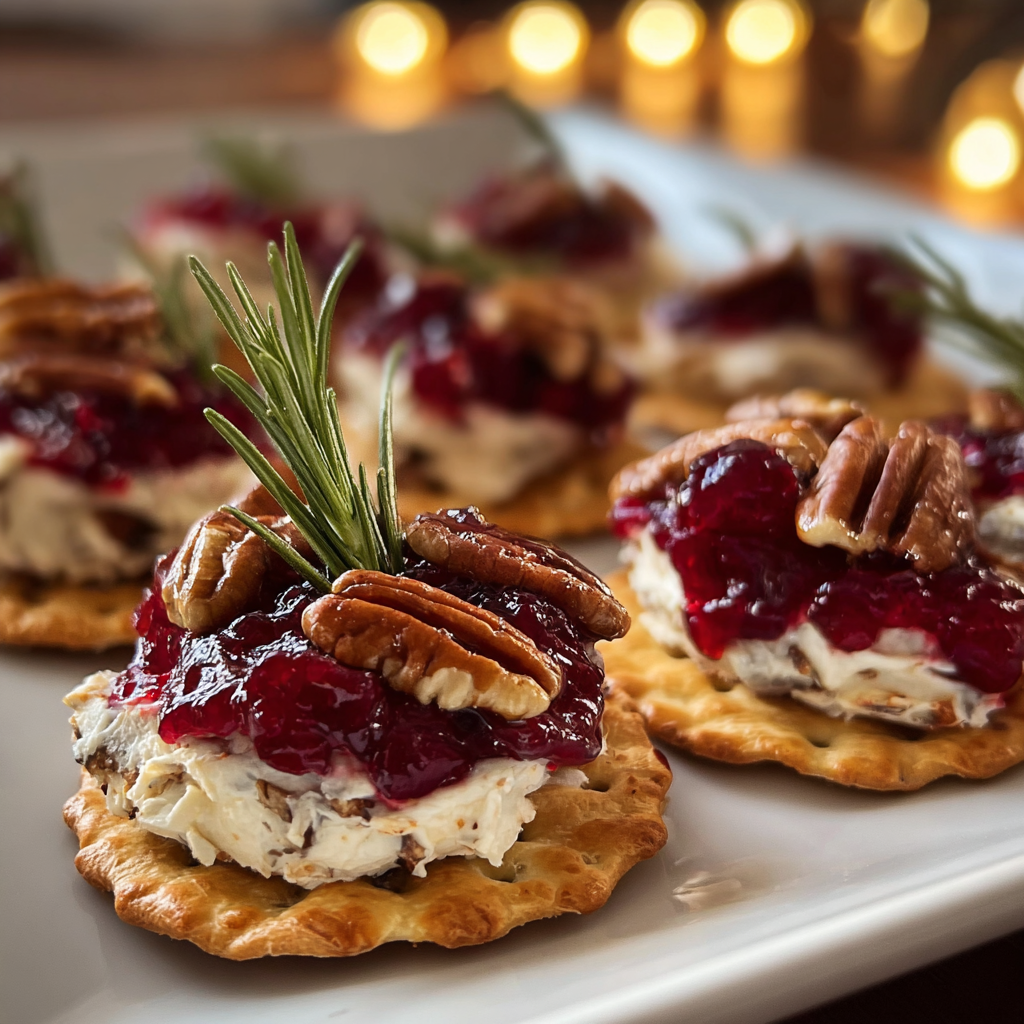
5-Minute Thanksgiving Appetizers That Wow Every Guest
Tiny crostini topped with creamy cheese, bright cranberry, crunchy pecans and rosemary — an effortless 5-minute starter that looks festive and tastes like the holidays.

African-Style Pancakes (Fluffy, Comforting, and Easy)
Light, slightly spiced pancakes inspired by African home kitchens—fluffy, buttery, and perfect for breakfast or brunch with syrup, cinnamon sugar, or a savory filling.
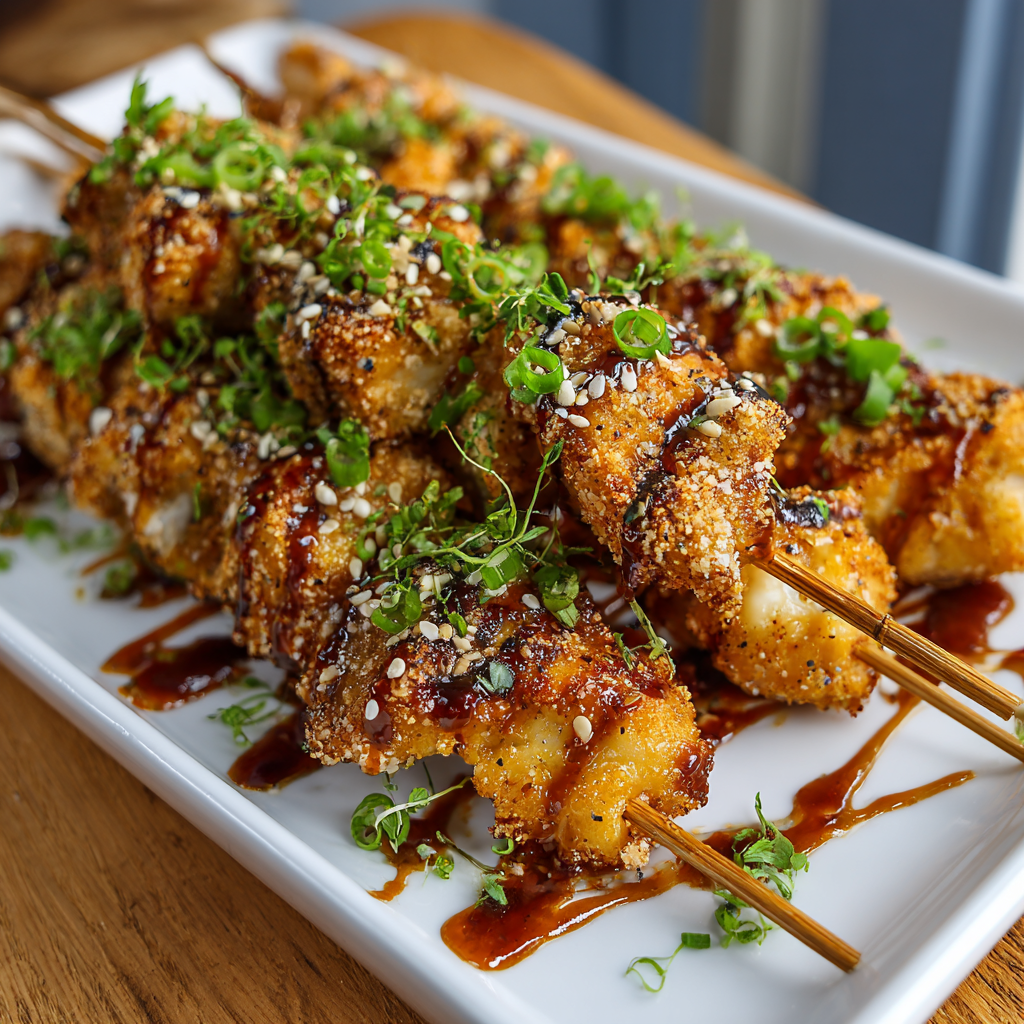
Air Fryer Bang Bang Chicken Skewers
Crispy, saucy chicken skewers made in the air fryer with a sweet-spicy bang bang sauce—perfect for weeknight dinners, parties, or meal prep.
Did You Make This?
Leave a comment & rating below or tag @mrsrecipe on social media!
Rate This Recipe
Share This Recipe
Enjoyed this recipe? Share it with friends and family, and don't forget to leave a review!
Comments (1)
This recipe looks amazing! Can't wait to try it.
Comments are stored locally in your browser. Server comments are displayed alongside your local comments.
Hi, I'm Clara!
What's Popular
Get My 30-Minute Meals email series!
Quick and easy dinner ideas delivered to your inbox.